What is Ollama and How It Runs AI Models Locally
Ollama is an open-source tool that lets you run powerful large language models directly on your own hardware, free, private, and fully offline. No cloud, no subscription, no data leaving
 Faveren Caleb
Ollama is an open-source tool that lets you run powerful large language models directly on your own hardware, free, private, and fully offline. No cloud, no subscription, no data leaving
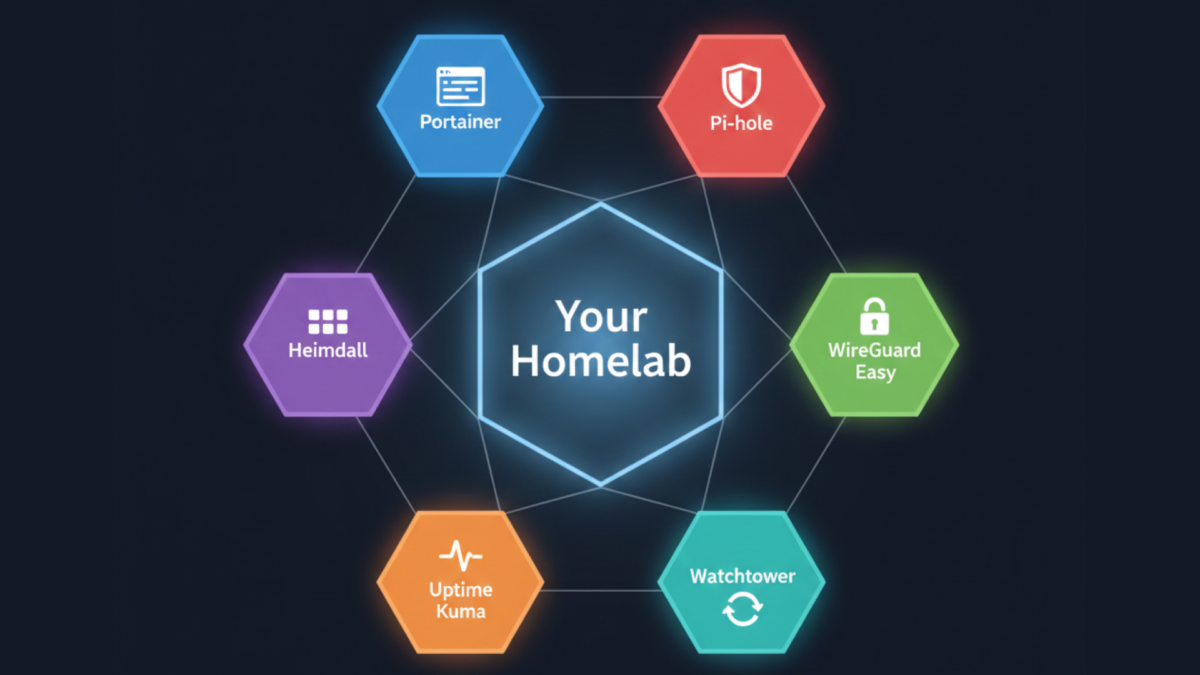
The best Docker containers for homelab are not the most exciting ones available; they are the right ones. These six each address a critical layer of a functional homelab: management,

Watchtower is a Docker container that monitors the other containers running on your Docker daemon and automatically updates them when a newer image is available. It is the difference between
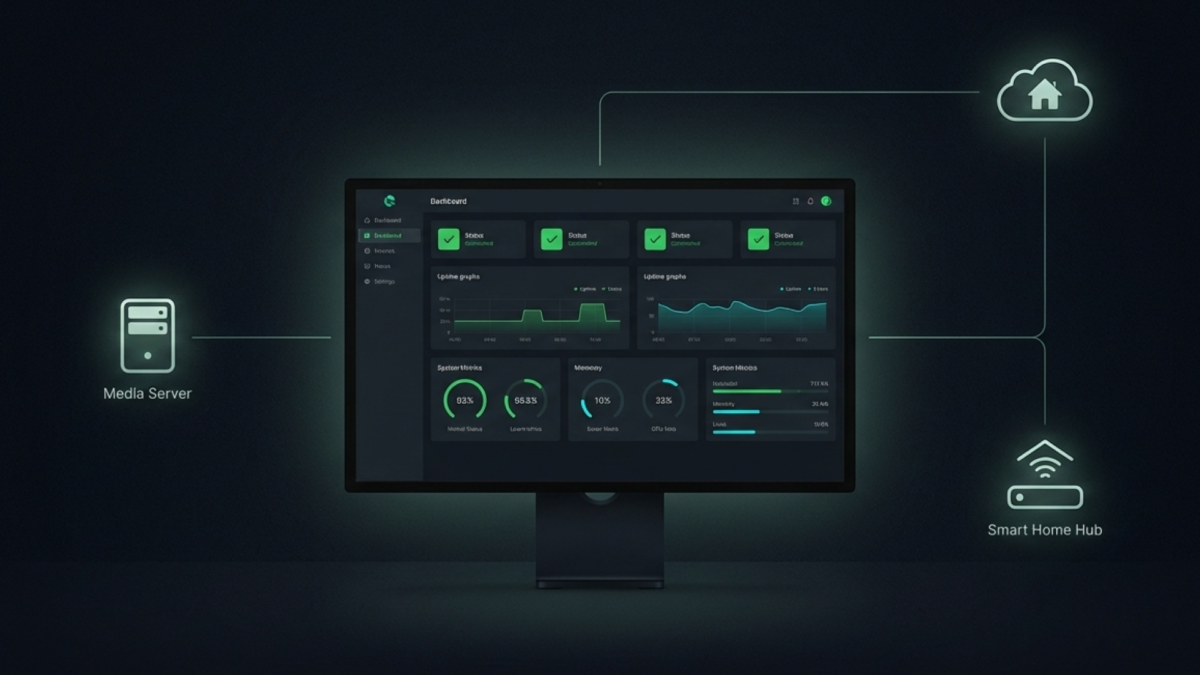
Uptime Kuma is a self-hosted monitoring tool that watches every service in your homelab and alerts you the moment something goes wrong. Not when you notice. Not when someone complains.

WireGuard Easy is a Docker container that packages the WireGuard VPN protocol with a web-based management interface. It gives your homelab a single encrypted entry point you can reach from
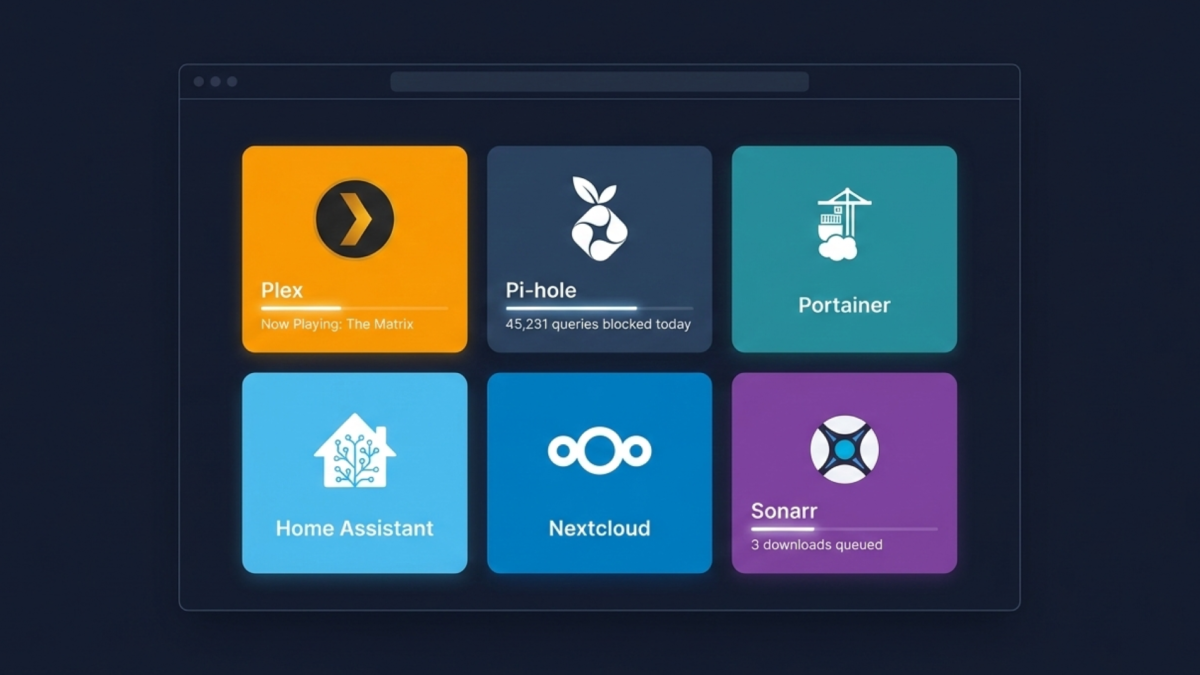
Your homelab has grown. What started as a single Raspberry Pi running Pi-hole is now a collection of servers hosting Plex, Nextcloud, Home Assistant, Portainer, and a dozen other services.
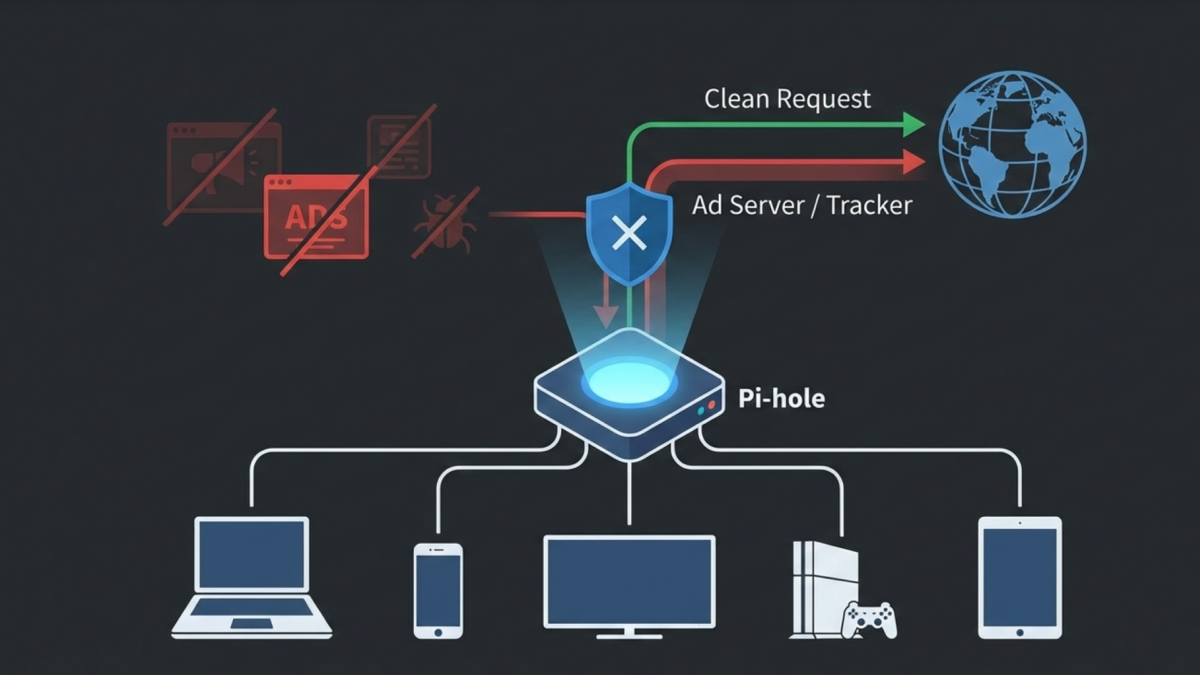
Ads are everywhere. On your phone, your laptop, even your smart TV. You can install a browser extension on your computer, but what about your roommate’s PlayStation? What about your
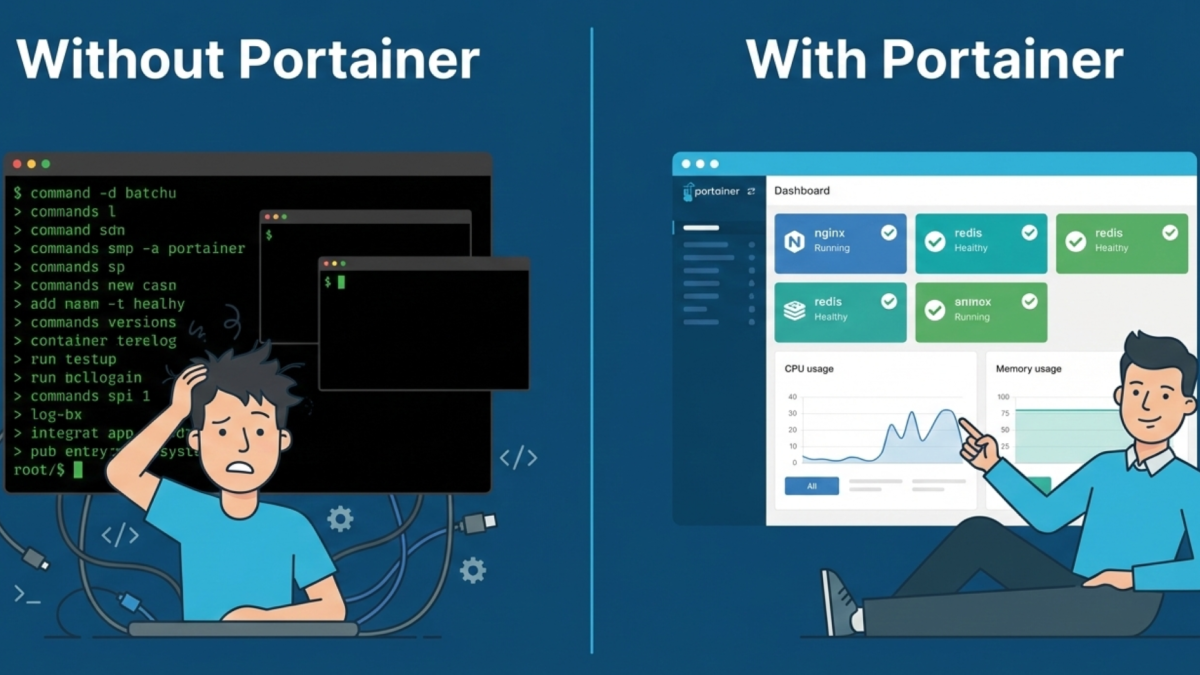
If you run a homelab, you know the drill. SSH into your server, type a command to see what’s running, another to check logs, another to deploy something new. It
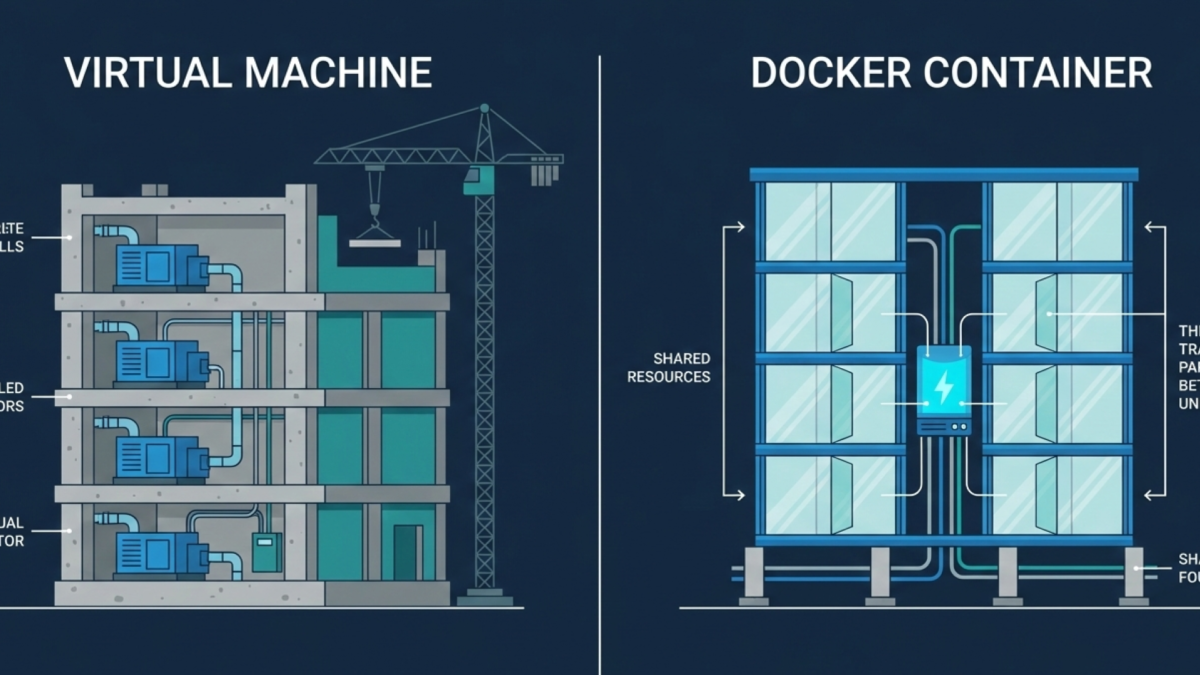
If you’ve spent any time in tech, you’ve heard two terms thrown around for running isolated applications: Docker containers and Virtual Machines. They both solve similar problems, isolating applications and
If you’re new to the container world, you’ve seen two names everywhere: Docker and Docker Compose. They sound related. They are. But they are not the same thing. People often
You’ve mastered running single containers with Docker. But real applications are rarely that simple. They need databases, caches, backend services, and APIs all running together, all talking to each other.
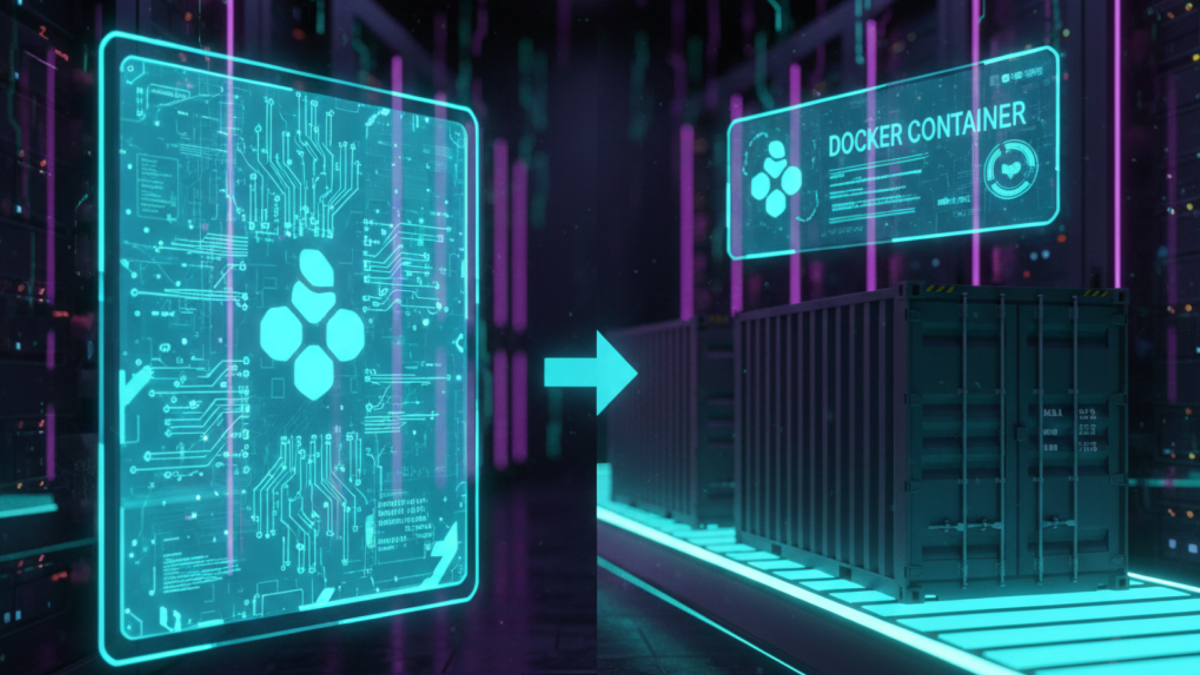
If you’re new to Docker, two terms constantly come up: Docker Image and Docker Container. People use them interchangeably, but they are not the same thing. Get this distinction right,
A Docker container is a lightweight, standalone, executable package that includes everything needed to run a piece of software: the code, the runtime, the system tools, and the libraries. This
Docker is a tool that lets you package and run applications in isolated environments called containers. If you’ve ever struggled with getting software to run on a different machine, Docker

You know the feeling: one wrong config command, and suddenly your media server, smart home hub, and file share are all down for hours. What began as a simple Raspberry
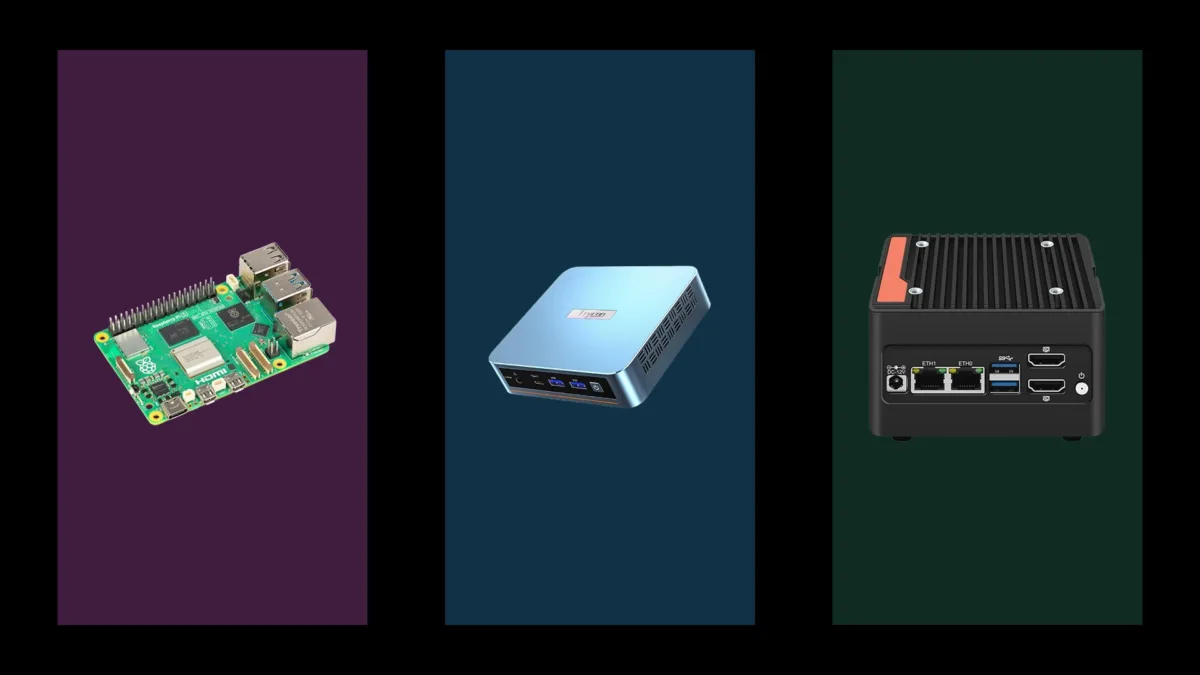
Homelab enthusiasts often overlook a surprising truth: a $300 Intel N100 mini PC can deliver better performance for most workloads than a $400 Raspberry Pi cluster. This energy-efficient homelab guide synthesizes extensive
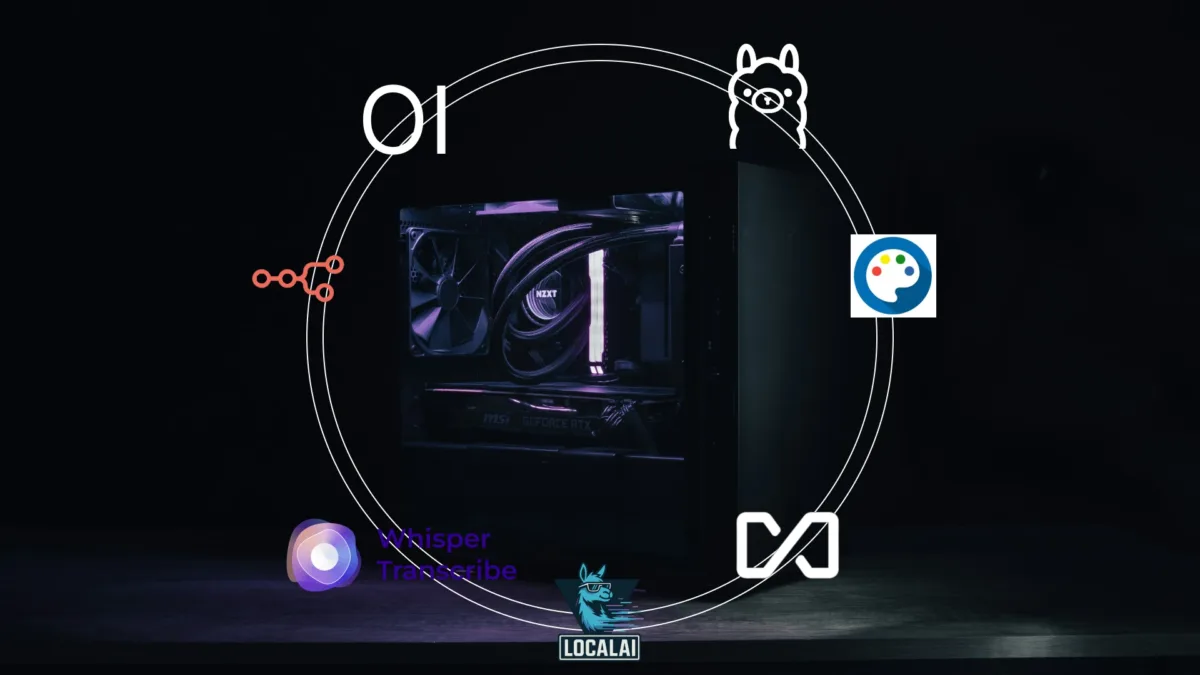
The landscape of artificial intelligence has undergone a seismic shift from 2024 into 2025. The era of being dependent on expensive cloud APIs and monthly subscriptions is over; powerful AI
Many beginners encounter the frustrating “it works on my machine” problem when deploying services. Dependency conflicts and leftover files plague traditional setups. This Docker for beginners guide solves these issues through containerization,

What if your homelab could do more than just run services? What if it could actively understand, reason, and act on the data flowing through it? Imagine your server analyzing
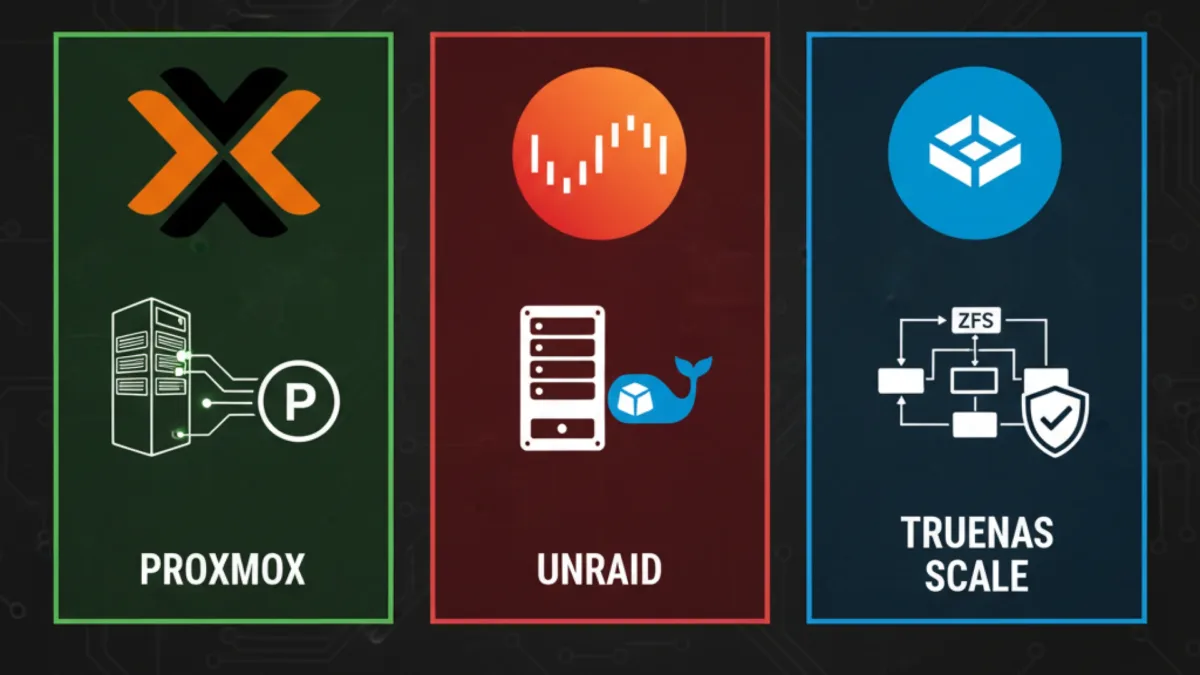
The Proxmox vs Unraid vs TrueNAS Scale decision remains one of the most critical choices for technology enthusiasts and IT professionals building a home server or homelab in 2025. Your choice between