How to Set Up WireGuard Easy on Docker
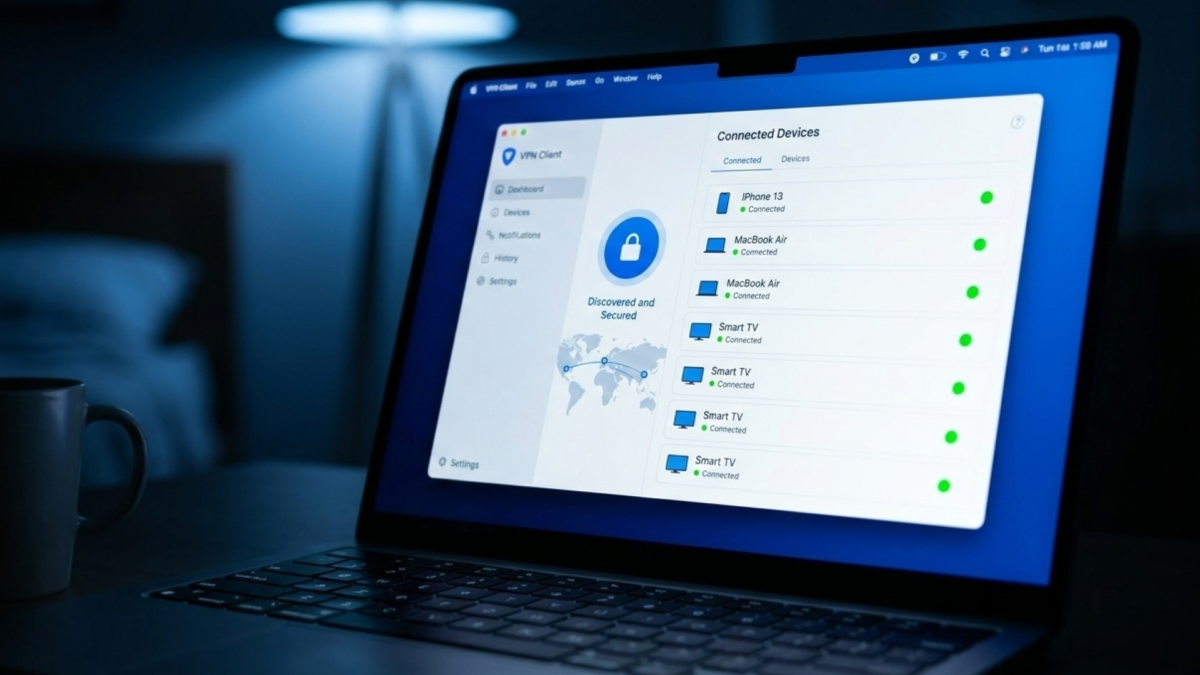
WireGuard Easy on Docker is a containerised WireGuard VPN server with a built-in web interface for managing clients covered in the homelab hub post. This post covers only the installation.
WireGuard Easy on Docker is a containerised WireGuard VPN server with a built-in web interface for managing clients covered in the homelab hub post. This post covers only the installation.
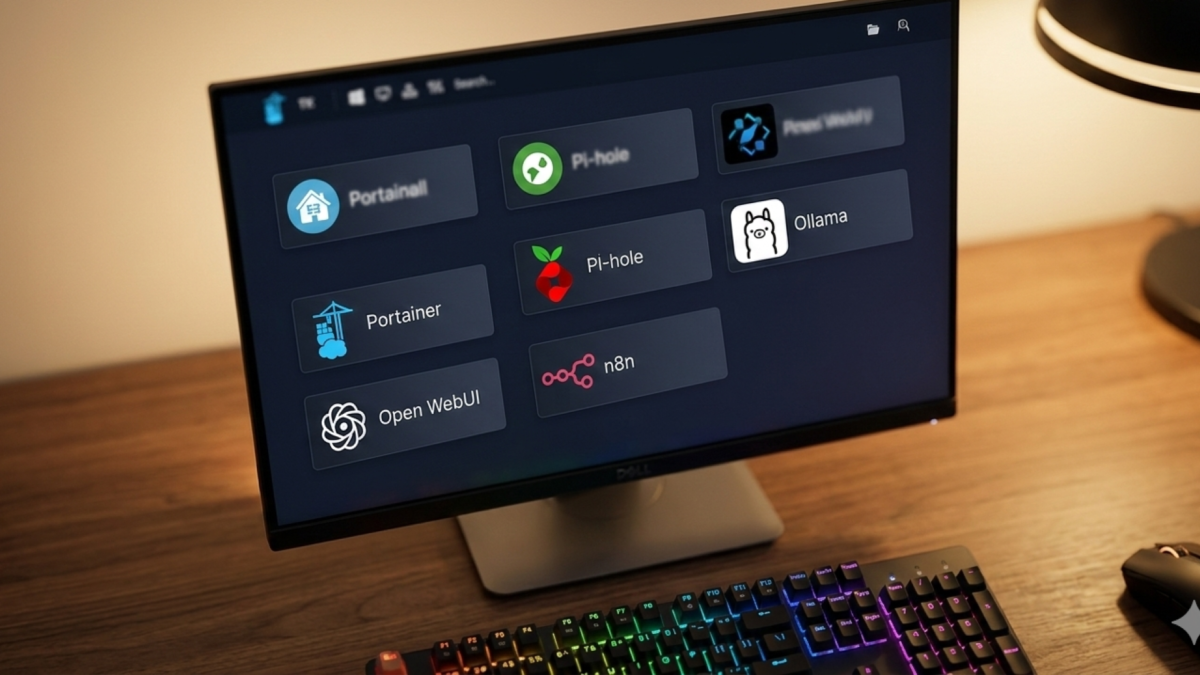
Heimdall is a self-hosted dashboard that collects all your homelab services into a single page of clickable tiles covered in the homelab hub post. This post covers only the Docker
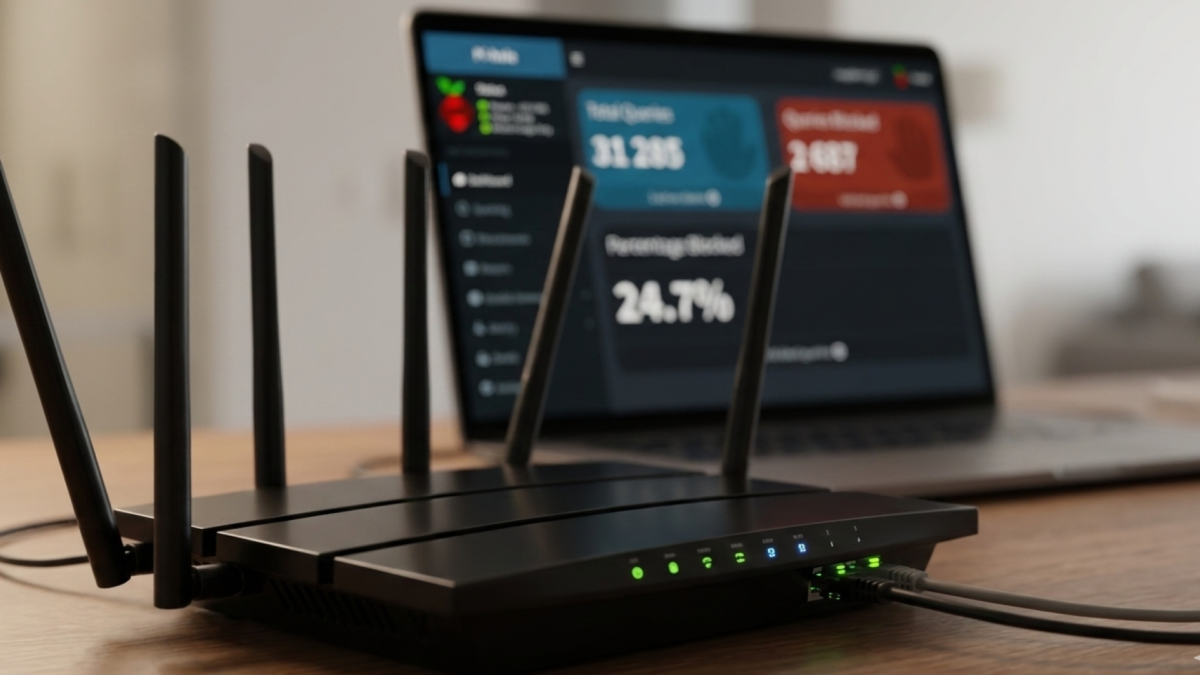
Pi-hole is a DNS sinkhole that blocks ads and trackers at the network level, covered in the homelab hub post. This post covers only the Docker installation. Prerequisites You need

Portainer is a lightweight web UI that runs as a Docker container and lets you manage containers, images, volumes, and networks from your browser. Portainer was covered in the homelab

A docker-compose.yml file is how you define an entire application stack in one place, every container, how they connect, and where they store data, so you can start everything with

Running your first Docker container teaches you something no amount of reading about Docker does what the pull-run cycle actually looks like and what a container’s lifecycle means in practice.

Installing Docker on Linux comes down to one decision: always use the official Docker repository, not the version your distribution ships with. The packages in Ubuntu’s and Debian’s default repos
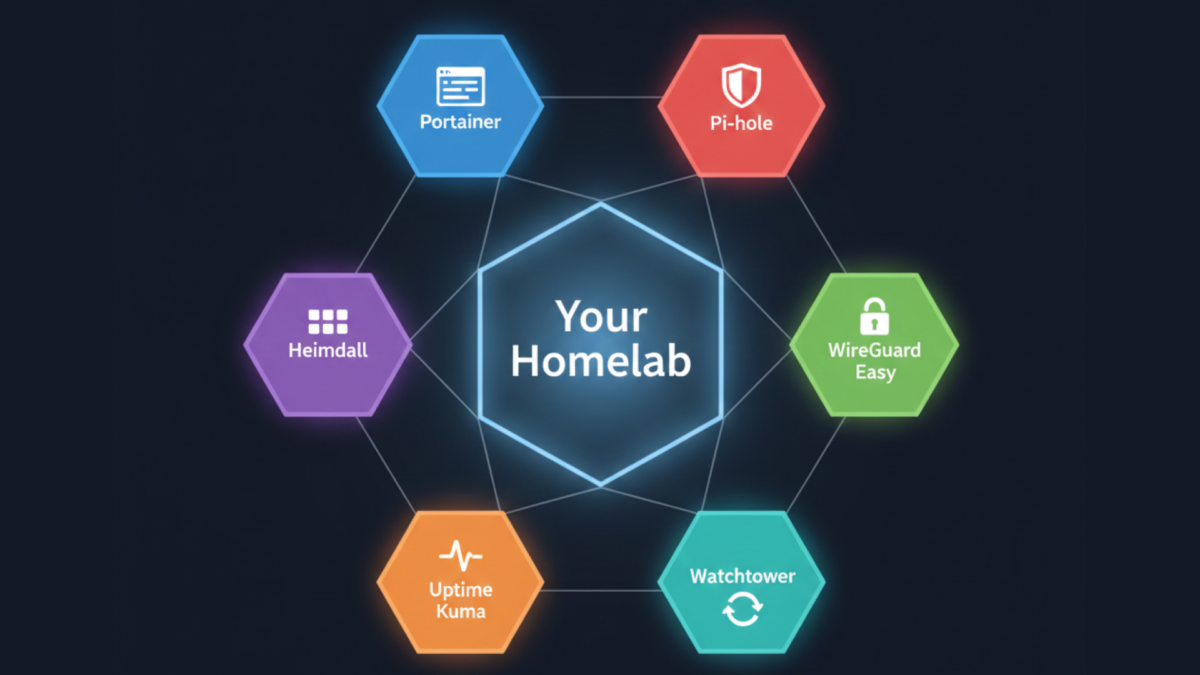
The best Docker containers for homelab are not the most exciting ones available; they are the right ones. These six each address a critical layer of a functional homelab: management,

Watchtower is a Docker container that monitors the other containers running on your Docker daemon and automatically updates them when a newer image is available. It is the difference between
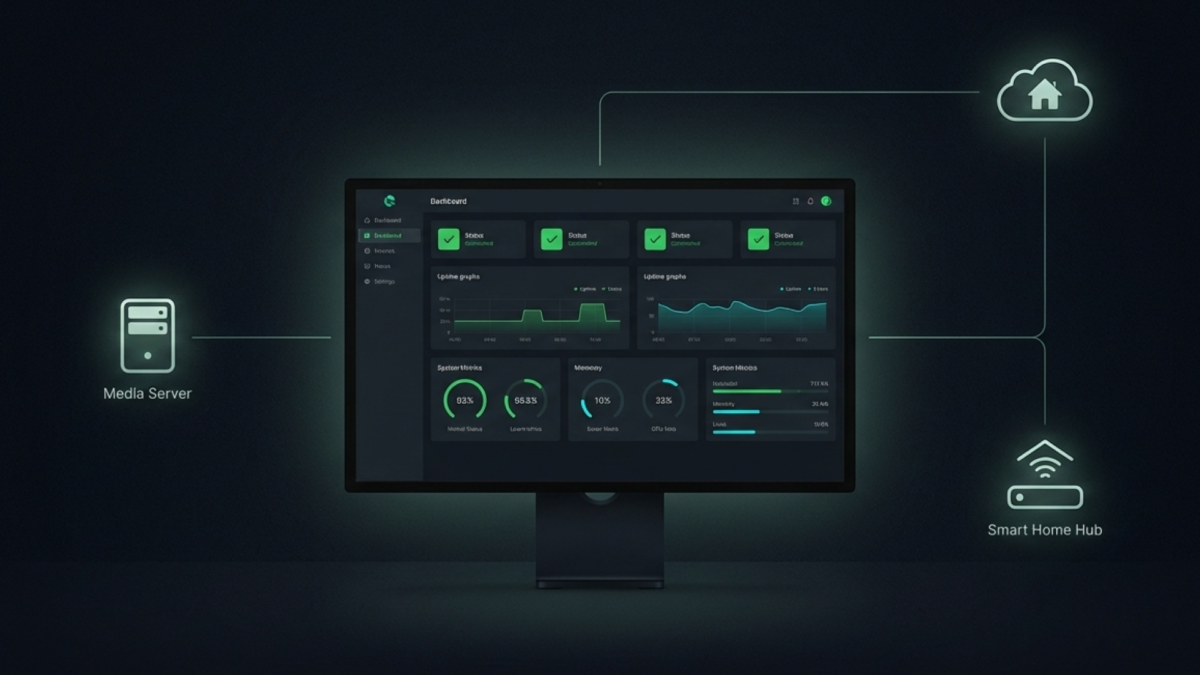
Uptime Kuma is a self-hosted monitoring tool that watches every service in your homelab and alerts you the moment something goes wrong. Not when you notice. Not when someone complains.

WireGuard Easy is a Docker container that packages the WireGuard VPN protocol with a web-based management interface. It gives your homelab a single encrypted entry point you can reach from
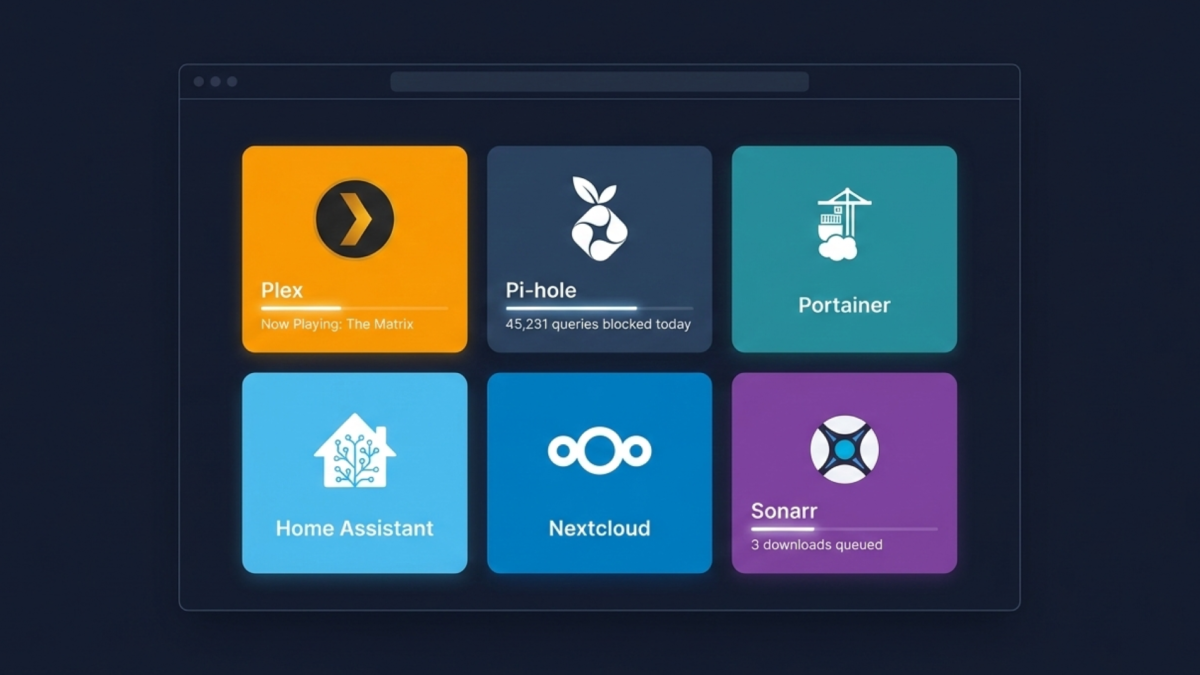
Your homelab has grown. What started as a single Raspberry Pi running Pi-hole is now a collection of servers hosting Plex, Nextcloud, Home Assistant, Portainer, and a dozen other services.
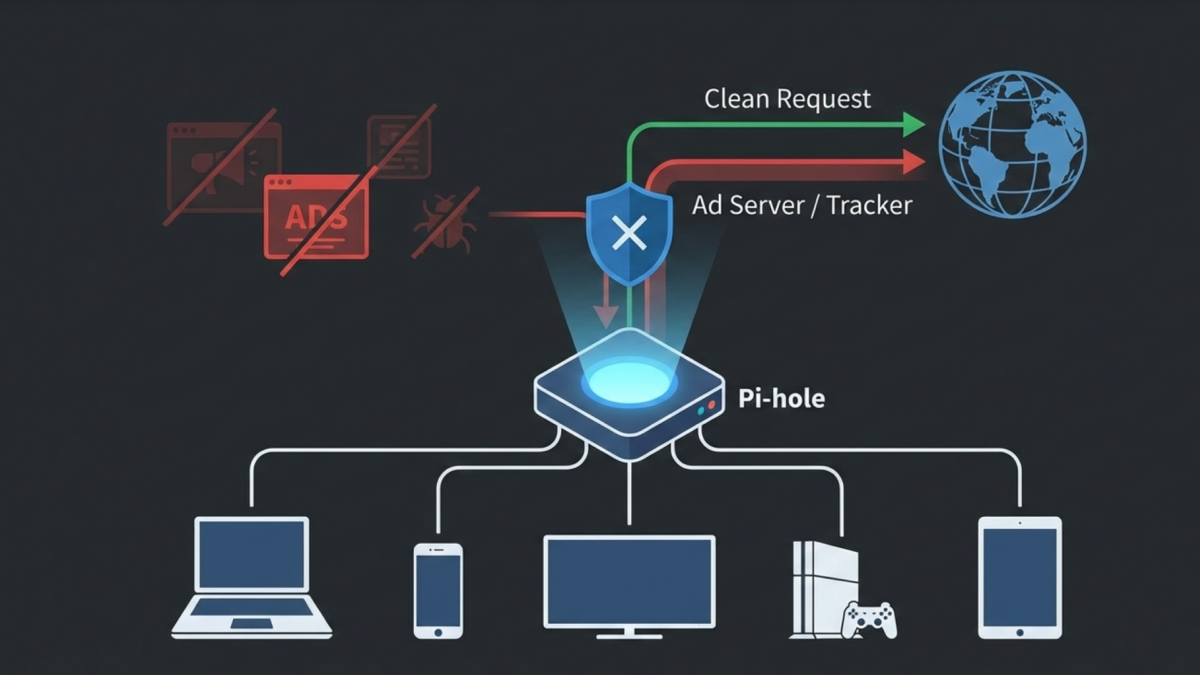
Ads are everywhere. On your phone, your laptop, even your smart TV. You can install a browser extension on your computer, but what about your roommate’s PlayStation? What about your
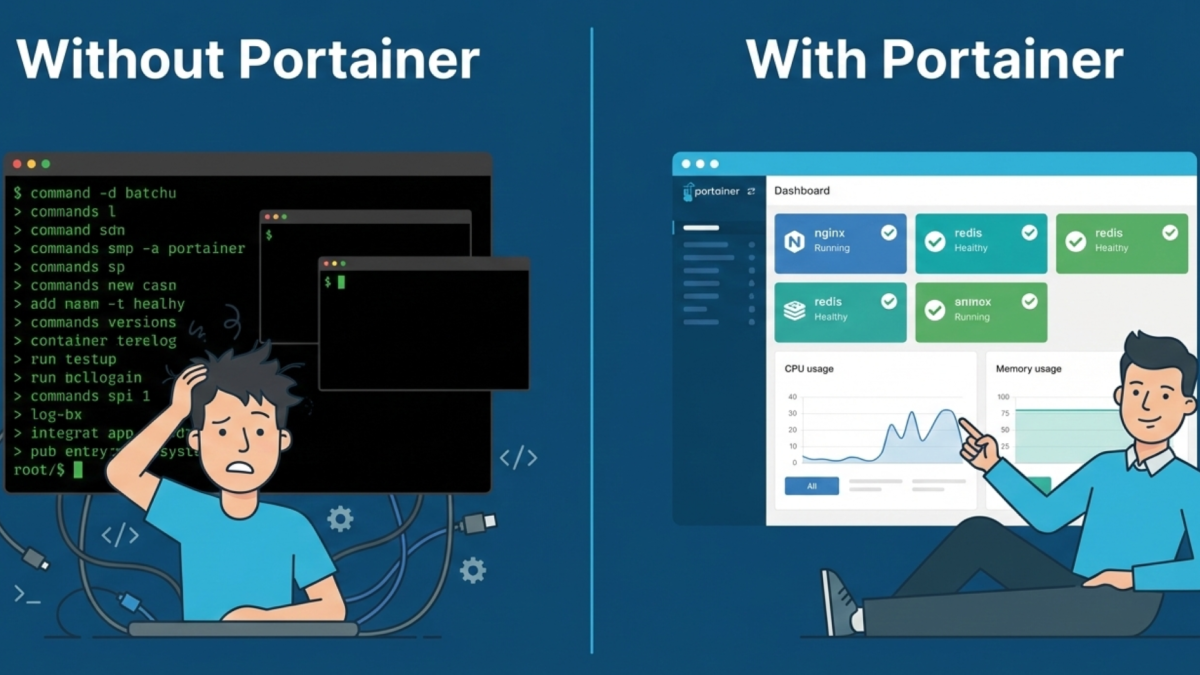
If you run a homelab, you know the drill. SSH into your server, type a command to see what’s running, another to check logs, another to deploy something new. It
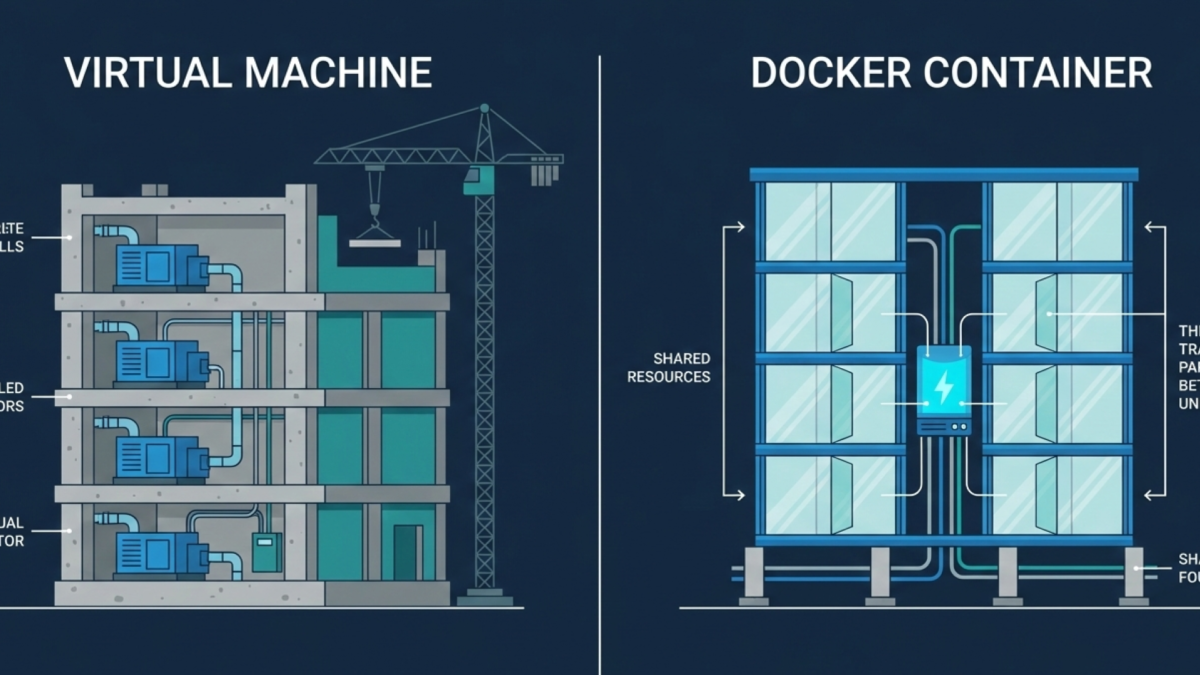
If you’ve spent any time in tech, you’ve heard two terms thrown around for running isolated applications: Docker containers and Virtual Machines. They both solve similar problems, isolating applications and

If you’re new to the container world, you’ve seen two names everywhere: Docker and Docker Compose. They sound related. They are. But they are not the same thing. People often

You’ve mastered running single containers with Docker. But real applications are rarely that simple. They need databases, caches, backend services, and APIs all running together, all talking to each other.

If you’re new to Docker, two terms constantly come up: Docker Image and Docker Container. People use them interchangeably, but they are not the same thing. Get this distinction right,

A Docker container is a lightweight, standalone, executable package that includes everything needed to run a piece of software: the code, the runtime, the system tools, and the libraries. This

Docker is a tool that lets you package and run applications in isolated environments called containers. If you’ve ever struggled with getting software to run on a different machine, Docker